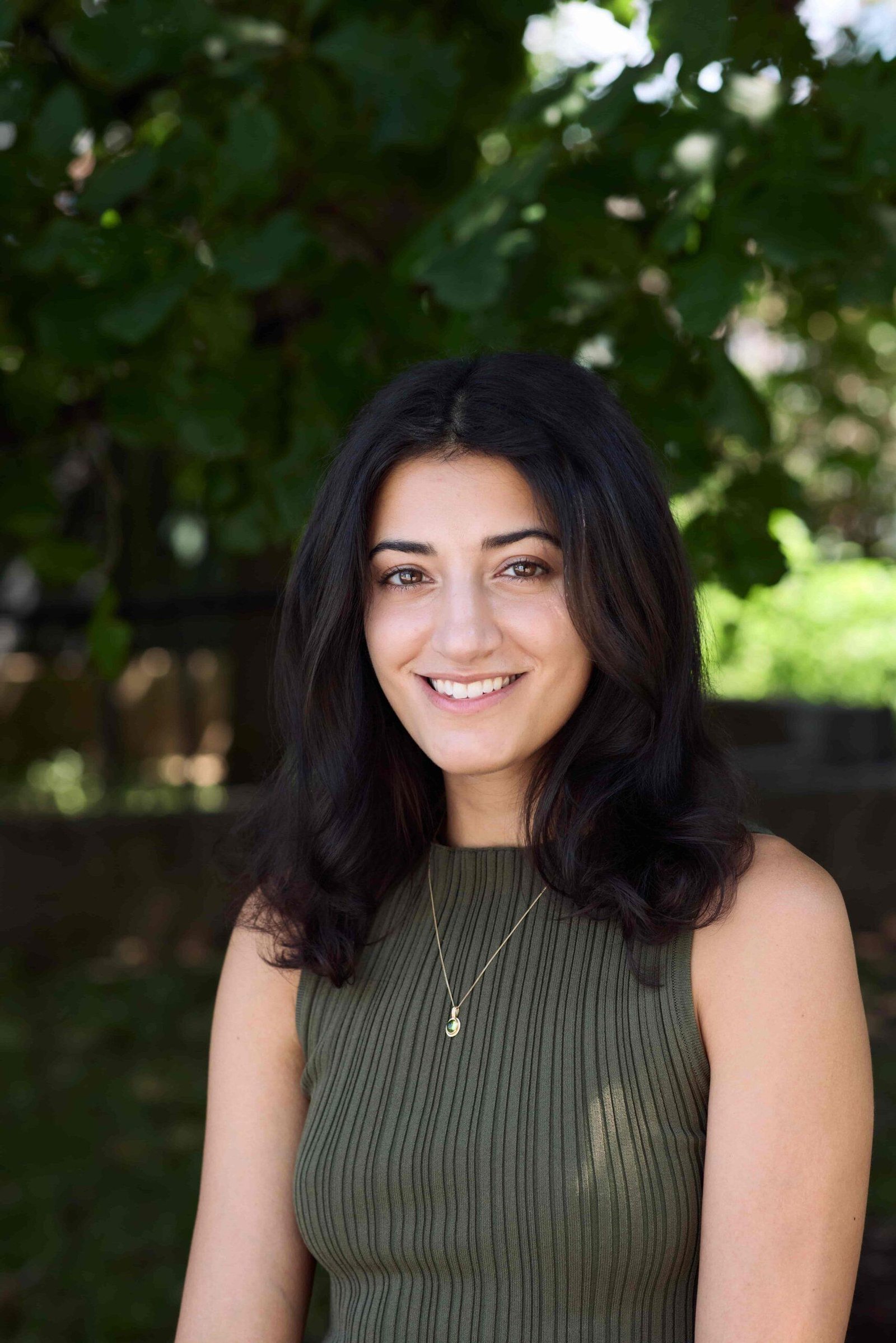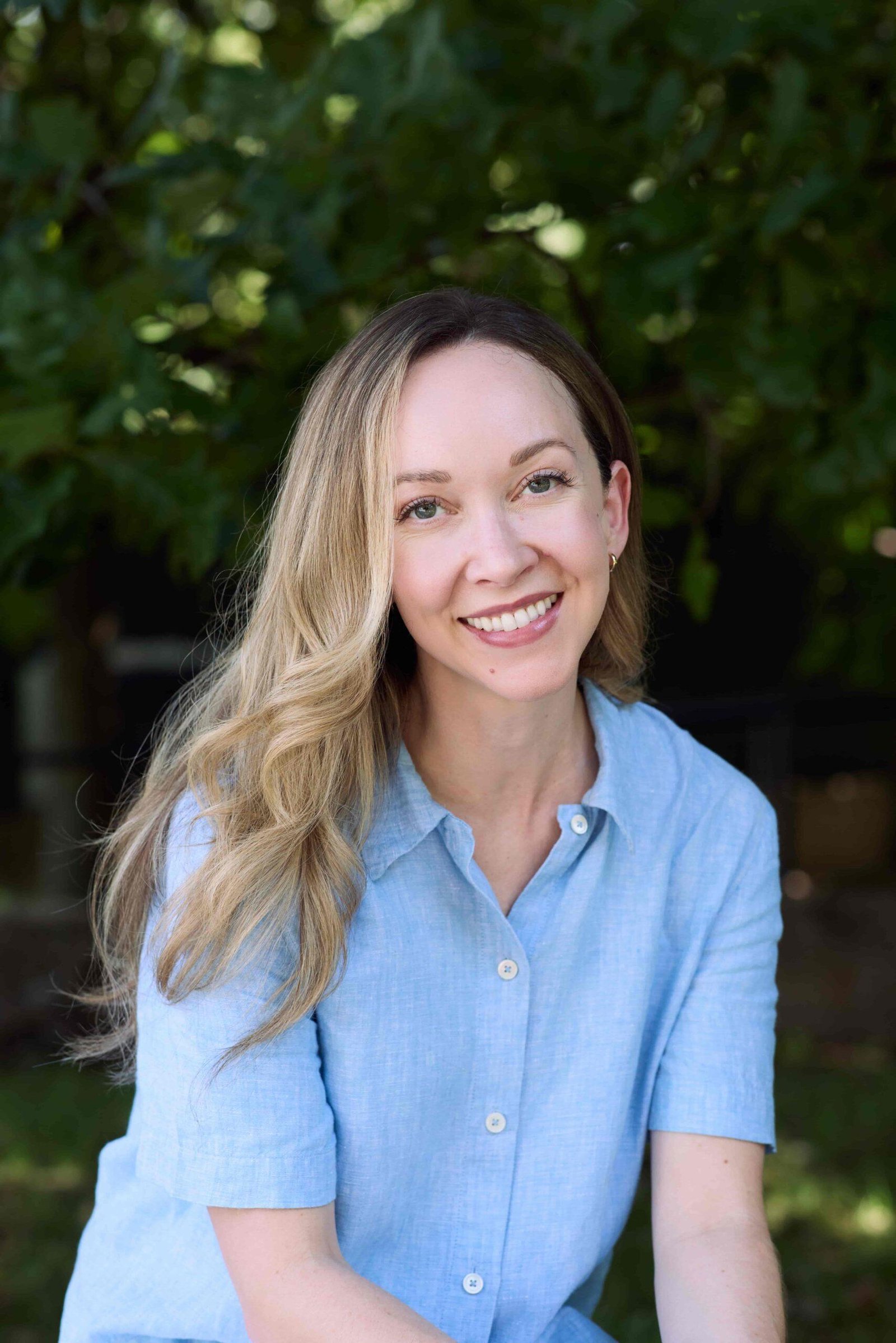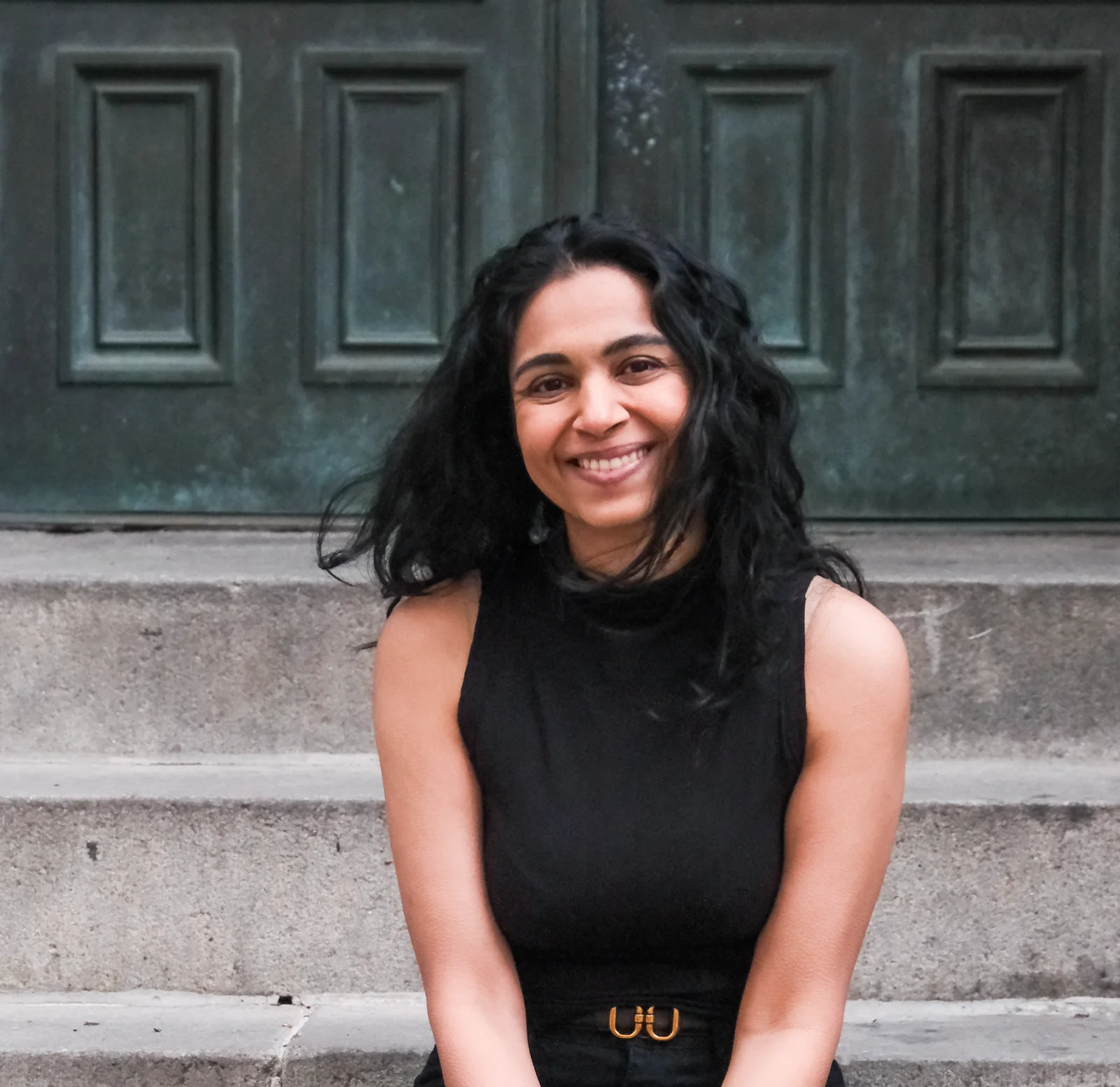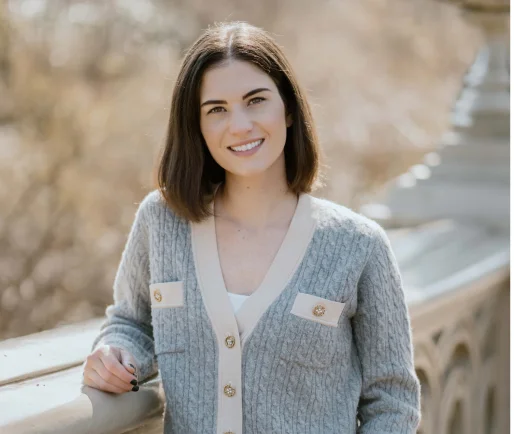
Our practitioners

The Sōhum Therapists

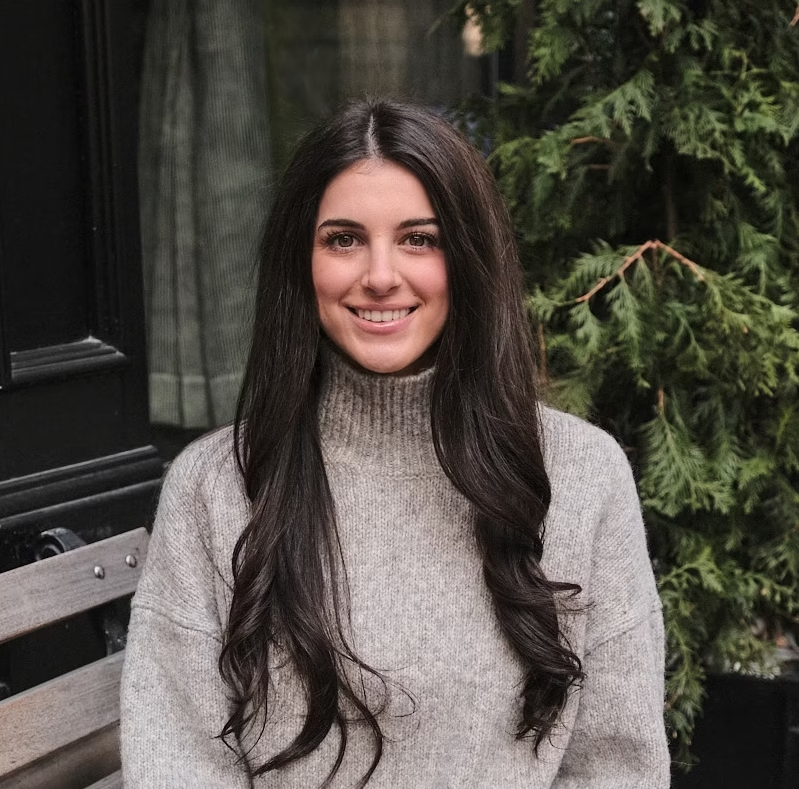
Juliette Lackow

Juliette Lackow

LMSW  ·  she/her
Psychotherapist
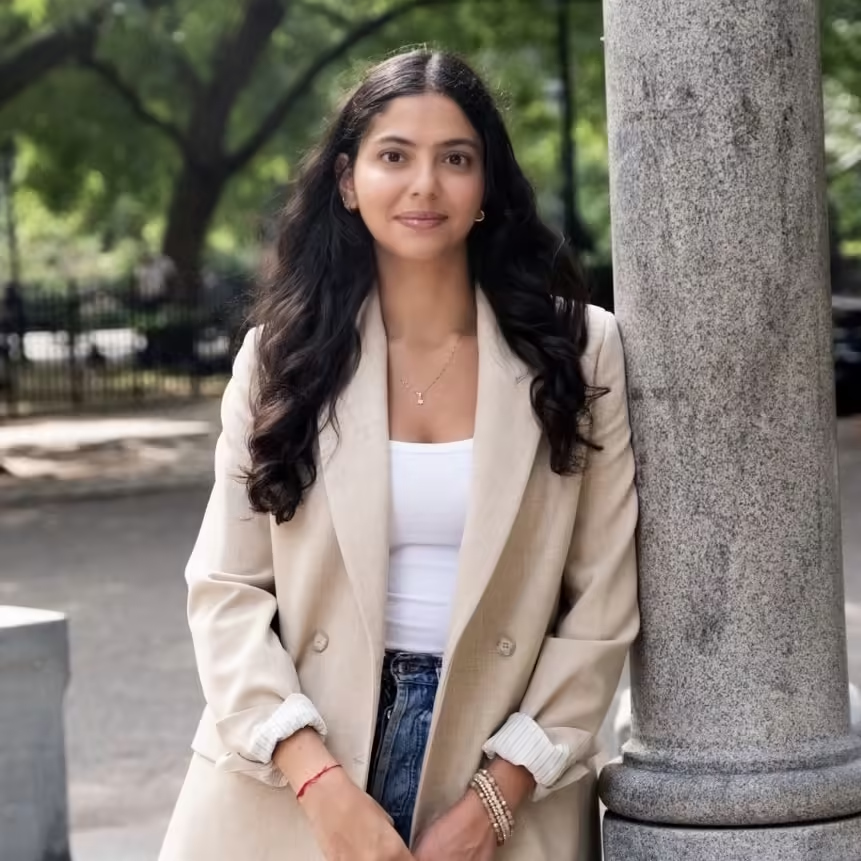
Olivia Jessar

Olivia Jessar

LMSW  ·  she/her

Psychotherapist
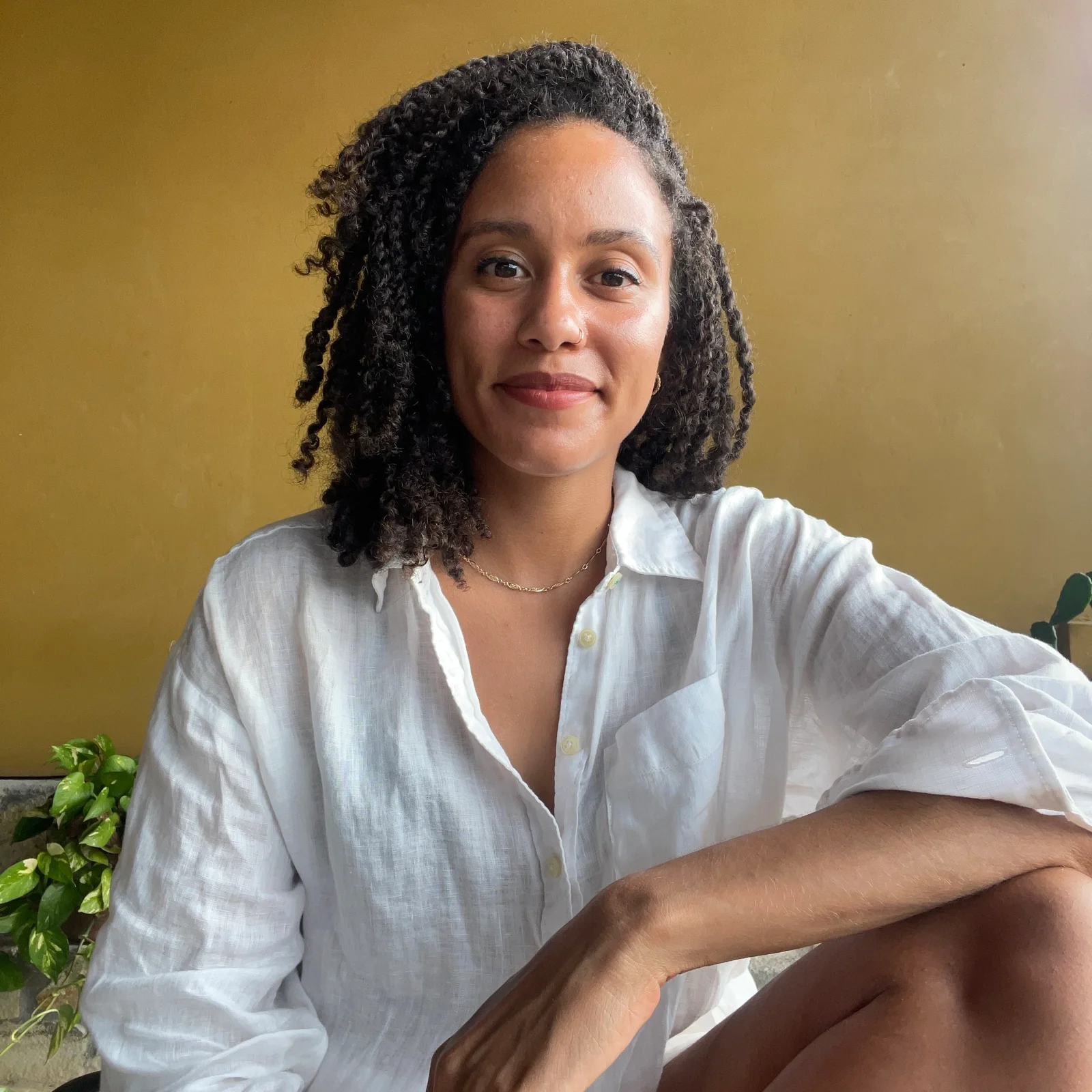
Mikayla Ciotta

Mikayla Ciotta

LMSW  ·  she/her

Psychotherapist
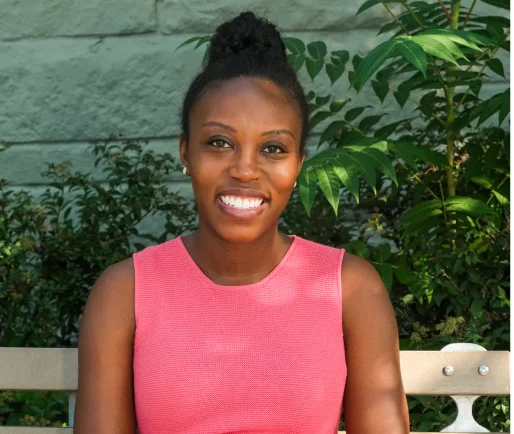
Lindsey Washington

Lindsey Washington

LMSW  ·  she/her

Senior Psychotherapist & Practice Operations Lead
Hazen_Sohum

Hazen Mayo

LMSW  ·  she/her

Psychotherapist
Molly-Sohum

Molly Rushing

MHC-LP  ·  she/her

Licensed in NY
Sohni Patel

Sohni Patel

LMSW  ·  she/her

Senior Psychotherapist & Chief Creative Officer
CHRISTINE MENNA

Christine Menna

LCSW  ·  she/her

Founder & Clinical Director
Juliette Lackow

Juliette Lackow

LMSW · Licensed in NY & NJ
she/her
Psychotherapist
The work

Relationships have a way of bringing us face-to-face with ourselves. The conflicts we find ourselves in, the partners we choose, the ways we communicate, withdraw, pursue, or protect often reveal something deeper about how we’ve learned to navigate connection.

Many of the people I work with arrive carrying a growing awareness that something is not working as it once did. You may feel stuck in your relationships, your sense of self, or a particular season of life.

In therapy, we explore not only what is happening, but how it came to be. We’ll look closely at the experiences, relationships, and emotional dynamics that impacted you interpersonally and intrapersonally. Greater understanding often creates room for different choices, more flexibility, and new ways of responding to life’s challenges.

Juliette sees clients virtually.
The therapist

I didn’t arrive here in a straight line. In fact, for a long time, I was convinced I wouldn’t become a therapist.

I experienced a significant loss early in life and grew up with an intimate view of how grief and trauma can ripple through a family. I was also exposed to mental health challenges within my family system, and as a child I carried a great deal of fear and misunderstanding about what that meant.

What grew out of all of this wasn’t a calling, exactly. But from an early age, I found myself trying to understand how difficult experiences impact people, how suffering reverberates through relationships, and why some wounds seem to echo across generations.

I entered college planning to pursue law, despite repeated suggestions from friends and family that psychology might be a natural fit. Then I took a course in developmental psychopathology – a framework for understanding how early experiences and circumstances contribute to mental health across a lifetime – and everything changed.

After initially focusing on research, I moved toward direct client work. I found mentors who encouraged me to pursue a master’s degree in social work, and the rest is history.

The same questions that captivated me as a child continue to guide my work today: How are we influenced by what happens to us? How do we carry those experiences forward? How can greater understanding create the possibility for something different?

Influences — literature
A Wild Dark Shore
Amy Clarkin
This book offers a deeply resonant reflection on grief – not just as an emotional response to loss, but as something that can continue to exist in our lives when we hold tightly to identities, relationships, or past versions of ourselves that may no longer fit. As someone who works often with trauma and complex grief, I was moved by the way the book explores the tension between letting go and reimagining connection. It also weaves in themes related to climate change, raising powerful questions about how we adapt to environments that are no longer sustaining us, both literally and metaphorically. These ideas mirror much of the therapeutic process: recognizing what no longer serves us, making space for new possibilities, and cultivating a more flexible and integrated sense of self.
Pride and Prejudice
Jane Austen
This is an enduring influence, and a book I’ve returned to many times. What continues to strike me is its nuanced portrayal of perception and misperception; how often we believe we fully understand others, when in fact we’re filtering those experiences through our own internal narratives. For me, it’s a timeless reminder that each of us lives in our own internal world, and that shared meaning and relational repair often require us to slow down, check our assumptions, and genuinely seek to understand the perspectives of others. This resonates with my work as a relational therapist, where so much of the healing lies in helping clients feel seen and in helping them see others more clearly too.
Influences — literature
Olivia Jessar

Olivia Jessar

LMSW · Licensed in NY
she/her
Psychotherapist
The work

Many of us learn to adapt to the people around us long before we learn how to listen to ourselves. Over time, it can become difficult to know where accommodation ends and we begin.

You may find yourself constantly overextending, struggling to set limits that last, questioning your instincts, or feeling disconnected from parts of yourself. Relationships may feel exhausting and saying no may feel impossible. Even when you know what you need, you may find it hard to act on that knowledge.

I work primarily with women and LGBTQ+ individuals navigating relational wounds, family dynamics, identity exploration, anxiety, grief, and life transitions. As a queer therapist, I understand that self-discovery is rarely linear, and that the hardest part of growth isn’t always insight — it’s learning how to actually live differently. I also recognize that our identities, relationships, and cultural environments influence the stories we carry about ourselves, often in ways we don’t immediately see.

In our work, we’ll slow down enough to notice what has been influencing your experience — both what you’ve consciously carried and what you’ve absorbed without realizing it. Therapy is an environment to reconnect with your own voice and begin making choices that reflect who you are, rather than who you’ve learned you should be.

The therapist

I’ve always been drawn to what lives beneath the surface in people —the experiences that have left imprints, and the parts of themselves they hesitate to share with others.

That curiosity eventually found a more personal expression when I sat on the other side of the couch as a therapy client.

Over my several years in therapy, what changed me wasn’t only the insight I gained. Even more so, it was the experience of bringing my whole self into the room and being met with interest, understanding, and care.

That experience transformed the way I understood what helps people heal. It taught me that while self-awareness matters, the relationship itself is a catalyst for change.

Today, that understanding guides the way I work with clients. I strive to create a space where you don’t have to edit yourself, perform, or arrive with the right words. My hope is that therapy becomes a place where you can explore your inner world honestly, feel deeply understood, and reconnect with what you already know about yourself beneath expectation, self-doubt, and fear.

When I’m not in session, you’ll often find me relaxing in the park, wandering through the city, or sweating it out in a hot yoga class.

Influences — literature
My Brilliant Friend
Elena Ferrante
I’ve always been drawn to stories about relationships, and few books capture the complexity of connection as beautifully as My Brilliant Friend. Ferrante explores friendship, identity, class, ambition, and the things we reveal versus the things we keep hidden. What stays with me most is the way the novel portrays how deeply we can influence one another’s lives, often without fully realizing it.
The Parable of the Sower
Octavia E. Butler
Although it was written in 1993, The Parable of the Sower feels remarkably relevant today. Set in the year 2025, in a world destabilized by climate change and social inequality, it explores how people adapt in the face of uncertainty and upheaval. Despite its darkness, I find the book to be hopeful. Community, resilience, and our capacity to care for one another remain central throughout, which is part of what makes it so enduring.
The Gift of Therapy
Irvin D. Yalom
This is a book I return to often. What I appreciate most is Yalom’s belief that genuine presence matters more than any particular technique or theoretical orientation. His writing reinforces the importance of the therapeutic relationship. I recommend this book to therapists and clients alike.
Influences — music
Mikayla Ciotta

Mikayla Ciotta

LMHC · Licensed in NY
she/her
Psychotherapist
The work

What feels confusing, frustrating, or difficult to change in the present is often connected to experiences that took root long before we had words for them. We often don’t choose the frameworks we’re handed early in life, yet we can spend years living inside them.

You may find yourself repeating familiar relationship dynamics, struggling with self-worth, carrying anxiety that feels difficult to explain, or questioning beliefs and values that once felt certain.

I work with adults navigating these questions, with a particular interest in supporting people through identity exploration, faith transitions, and the long reach of early environments. We’ll examine the beliefs, assumptions, and emotional patterns that have guided your life. Some may still feel true and meaningful; others may no longer fit. We’ll help you discern the difference.

Over time, that understanding can open new choices, stronger self-trust, and a greater sense of agency in your own life.

The therapist

I’ve always been interested in understanding why people feel the way they do.

Part of that curiosity grew from my own experience with depression. For much of my life, I wanted to understand where certain feelings came from, why they persisted, and what was possible beyond simply managing them. My own experience in therapy helped me find meaning for things that once felt difficult to explain and gave me a deeper understanding of myself than I could have reached alone.

I was also often the person friends turned to when they needed grounding, perspective, or help making sense of something they were feeling. Even as a child, I found myself paying close attention to emotions. Looking back, becoming a therapist feels less like a dramatic career decision and more like a natural extension of how I’ve operated.

Today, one of the things I value most about this work is helping people articulate experiences that feel just out of reach – things they sense and struggle with but haven’t yet been able to concretely name. There can be something profoundly relieving about putting language to our experiences. Often, that understanding becomes the beginning of meaningful change.

When I’m not in session, you’ll usually find me exploring New York City’s food scene, spending time with friends and family, or fostering dogs whenever I’m able.

Influences — literature
The Glass Castle
Jeannette Walls

I read this book at a young age and it’s stuck with me. What struck me most was the way Walls portrays the complexity of loving people who have also caused harm, and how deeply our early environments continue to live within us long after we’ve left them. It was one of the first books that made me think seriously about the lasting impact of family dynamics and helped spark my interest in understanding how people adapt, survive, and make meaning of difficult experiences.

Influences — music
Isabel Golan

Isabel Golan

LMSW · Licensed in NY & NJ
she/her
Psychotherapist
The work

Many people come to therapy carrying experiences they understand but haven’t yet fully processed emotionally. You may recognize certain repetitions in your relationships, reactions, or sense of self while still feeling stuck inside them.

I work with clients navigating trauma, anxiety, depression, grief, relationship difficulties, family conflict, and life transitions. Together, we create a space where you feel supported enough to be honest with yourself, yet challenged enough to grow.

We’ll explore the experiences and dynamics that have shaped the way you move through the world. You determine what feels most important to examine, understand and ultimately to change. My role is to help illuminate what has been organizing your experience and to work alongside you in building a life that feels more intentional, connected, and aligned.

*Isabel sees clients in person and virtually

The therapist

I don’t remember ever wanting to be anything other than a therapist. If you ask my closest friends and family, I think they’d say the same.

Growing up, mental health wasn’t something my family spoke about openly, but I was always attuned to the people around me – the ways their experiences, relationships, and emotional worlds impacted how they lived and related to others. That awareness, and the pull toward helping people understand their own patterns, never loosened its hold. At one point I was convinced I’d join the Peace Corps. In retrospect, it was this same impulse to help, taking a different form.

Over time I was fortunate to find myself surrounded by remarkable women (many of them therapists) who illuminated this field from the inside, both professionally and personally. Their mentorship, alongside my own experience as a therapy client, solidified my commitment and direction to this work. I see therapy as one of the few places where people can slow down enough to encounter themselves more honestly. In many ways, I now offer the kind of space and conversation around mental health that I didn’t always have growing up.

When I am not in therapy sessions, you can often find me walking around NYC aimlessly. As a native New Yorker, I love finding new areas to explore and revisiting the ones I hold so dear to my heart. I am passionate about trying new cuisines and am always up for a good adventure. Sometimes that adventure is local; other times it takes me to new countries and cultures.

Influences — literature
Touching Spirit Bear
Ben Mikaelsen

This will always be my go-to answer. I read this book at a young age and revisit it ever so often. It explores themes of anger, and redemption and the strength it takes to face one’s own vulnerabilities. It’s also a powerful story about forgiveness, growth, and connecting with nature to heal personal wounds.

Normal People
Sally Rooney

A story that offers an intimate portrayal of a complex relationship, touching on themes of emotional intimacy, trauma, and how relationships can evolve through different life stages. It highlighted how deeply past experiences and personal insecurities can influence the way we connect with others.

Night
Elie Wiesel

This book profoundly influenced my understanding of trauma and human resilience. Wiesel’s raw and powerful narrative deepened my empathy for those who have endured such trauma, suffering, and loss, acknowledging the lasting effects of such profound experiences on individuals’ lives. It instilled a greater sense of urgency to confront and address the shadows of history and trauma. The book also inspired me to live with a heightened awareness of the fragility of life, as well as the importance of bearing witness to and learning from the past.

Influences — music
A note from our founder

Forming this team has been one of the proudest things I’ve done as a founder and clinician.

Before I spoke with anyone about their clinical training or theoretical orientation, I asked them about their story and what drew them to this work. As a client, before you can gauge someone’s clinical acumen, you first experience what it’s like to just be with them. Clinical skill is essential, but without relational capacity it falls flat.

We are not just a group of colleagues; we are a community. That distinction is not incidental. It directly impacts the integrity of care our clients receive. Our clinicians are challenged in their thinking, supported in taking thoughtful risks, and engaged in ongoing dialogue with one another. That continued evolution is felt directly in the therapy room.

For all of us, being a therapist is not a job but a vocation. We are continually learning and deeply engaged in what we do. We offer a space that is warm yet rigorous, stimulating yet grounded, and imaginative yet disciplined. This creates conditions for change to take root and endure. It allows possibilities that may have once felt unattainable to come into reach.

— Christine Menna, LCSW · Founder & Clinical Director

Lydia Gordon

Lydia Gordon

LMSW · Licensed in NY & NJ
she/her
Psychotherapist
The work

We often don’t realize how much of our lives is built around assumptions we’ve never stopped to question. Ideas about who we are, what we deserve, what is possible for us, and how relationships are supposed to work can become so familiar they begin to feel like unquestionable truths. But what happens when we start being curious and even challenge some of these beliefs that have quietly guided our lives?

I work with individuals and couples navigating life transitions, relationship concerns, self-worth challenges, and questions of identity and purpose. We’ll explore how your childhood, relationships, communities, and broader social environments have influenced the way you see yourself and move through the world. This includes the impact of cultural expectations, societal values, and systemic oppression.

Many of us carry burdens that were never ours to hold. Part of this work is learning to shed the self-blame that came with them. I’ll support you in identifying and releasing what isn’t within your control and learning how to harness what is.

The therapist

I’m fascinated by what makes people who they are.

Part of that curiosity came from growing up around people with mental health challenges and wondering where circumstance ends and personal responsibility begins. Part of it came from being adopted and grappling with questions of nature versus nurture. How much of who we become is shaped by our experiences? How much comes from how we were parented? And what parts of ourselves are uniquely our own?

Long before I became a therapist, I found it natural to step into another person’s perspective without judgment. Despite an early curiosity about becoming a therapist, my path into this work wasn’t immediate. After studying psychology in undergrad, I worked at a health tech startup then spent several years in various roles at a creative agency before deciding I wanted to work with people in an entirely different way. Around that same time, I began working with a therapist who fundamentally changed the way I understood myself. After a couple of difficult experiences with therapy earlier in life, this relationship showed me for the first time what the work was capable of.

That experience continues to inform how I show up for my clients. I believe people are often capable of far more than they think they are, and that challenging the stories that govern our lives can create room for something new (and better). Supporting people as they connect with their own potential and begin to live more in alignment with their values remains the most rewarding work I can imagine.

When I’m not in session, you’ll usually find me hosting dinner parties, traveling, or taking random classes on things that interest me.

Influences — music
Lindsey Washington

Lindsey Washington

LMSW · Licensed in NY & NJ
she/her
Senior Psychotherapist & Practice Operations Lead
The work

Many of the people I work with feel stuck in cycles that keep showing up in their relationships, work, or everyday lives. Together, we take the time to understand where those cycles come from, what’s keeping them in place, and how to create meaningful, lasting change. I believe therapy works best when it feels collaborative, supportive, and tailored to who you are.

I enjoy working with couples who want to strengthen their relationship, communicate more openly, rebuild trust, or reconnect after feeling distant from one another. I also work with individuals navigating anxiety, trauma, and women’s mental health, meeting each client with curiosity, compassion, and practical tools that fit their unique needs and goals.

I feel especially passionate about working with Black clients and others from communities where therapy has historically felt unfamiliar, inaccessible, or discouraged. If that’s been your experience, I hope our work together feels like a place where you can show up fully as yourself—without judgment, and with the support you deserve.

Lindsey sees clients in person and virtually

The therapist
When the COVID-19 pandemic began, I lost my job. At the same time, I was watching the profound impact it was having on communities everywhere, particularly within the Black community. Like many people, I found myself wondering how I could contribute in a more meaningful way. I just wasn’t sure how. As I explored different graduate programs, I considered psychology, mental health counseling, and social work. I ultimately chose social work because of how comprehensive it is and the many different ways it allows you to meet people where they are. It brought together so many of the things I was naturally drawn to—building relationships, communicating with others, and helping people navigate life’s challenges. My decision was also deeply personal. Growing up, I saw how rarely mental health was talked about in the Black community. Therapy often felt unfamiliar, misunderstood, or discouraged altogether. I wanted to be part of changing that. I wanted to become someone who could offer a welcoming space where people felt understood, supported, and comfortable being themselves. When I’m not in session, you’ll find me reading, traveling, exploring the city, or deep into a Bravo or Netflix reality series.
Influences — music
Hazen_Sohum

Hazen Mayo

LCSW · Licensed in NY & NJ
she/her
Psychotherapist
The work

Not everyone seeking therapy knows why they need help. Sometimes, there’s just a feeling that something is off, whether physical tension, numbness, or emptiness. If you’ve carried trauma and grief alone, detaching from your emotions may have become a way to survive. Over time, that distance can leave you feeling disconnected from yourself. Stress can become intertwined with chronic illness or pain, making your body feel unfamiliar or unsafe. Turning inward can feel frightening, but with the right support, it can be the beginning of living more fully.

Therapy can help you develop clarity of mind. Through compassionate listening, active reflection and mindfulness-based approaches, I’ll help you safely reconnect you with your body and explore what’s been too difficult to face alone. We’ll work collaboratively and build trust at your pace.

As a psychodynamic therapist and yoga teacher, I’m influenced by modern clinical approaches alongside ancient traditions of meditation. I’m inspired by each person’s innate wisdom, making my work welcoming to all, particularly BIPOC, queer, and spiritual individuals. If you’d like to explore our fit, please reach out for a free consultation.

The therapist

Growing up as a biracial South Asian woman in a mostly White community, I became ever curious about what connects us beneath our differences. Looking for common ground shaped my worldview from a young age, and continues to do so now as a therapist. I valued developing authentic connections with others, and cherished my growing ability to build relationships in which others felt seen and comfortable being fully themselves.

I took these skills with me when I left home to study art history at Yale. I even applied to college with an essay about feeling most myself while listening. After graduating, I reconnected with my cultural heritage by taking up meditation and teaching yoga across local studios, hospitals, and offices. I not only witnessed these practices improve my students’ lives, but felt them transform my relationship with my own body and mind.

The more I learned, the more I felt called to formally study mindfulness and somatic work. I went on to explore the psychology and physiology of mindfulness-based therapies treating emotional dysregulation and chronic pain at Columbia before earning my MSW at NYU. I am grateful to have found a profession as a psychotherapist that draws upon so many parts of me.

Outside the office, you’ll often find me cooking elaborate meals for friends and convincing them to take home the leftovers, checking out four books at a time from the Brooklyn Public Library, going for runs along the East River with my partner, or cuddling at home with my cat, Wasabi.

Influences — music

The poets Jane Hirshfield and Mary Oliver

“We shake with joy, we shake with grief. What a time they have, these two housed as they are in the same body.” – Mary Oliver

“The body is key for elevating knowledge to wisdom. In order for a truth to register as authentic, it must be felt.” – Jane Hirshfield

The poetry of Oliver and Hirshfield is genius in its humility, reading like simple truths you have known your whole life but which you often need reminding of. I love the way they capture the feeling of aliveness and encourage us to embrace pain alongside joy. They also value emotions as a key source of knowledge, without which we cannot grow with intention.

Your Brain on Art: How the Arts Transform Us

Your Brain on Art explores fascinating research looking at the arts as a pathway to mental and physical healing. After reading this book, I felt equipped with many options for investing in my wellbeing beyond therapy and my usual go-tos. Painting, dancing, theater, music, and all the other tactile and creative ways we express ourselves: caring for yourself can be as accessible as picking up a pencil or spending a long afternoon at The Met.

Wherever You Go, There You Are: Mindfulness Meditation in Everyday Life

Although I first read this book while visiting a Buddhist monastery in Sri Lanka, I was struck by how easily Kabat-Zinn’s practices would have fit into my life back in Brooklyn. As a clinical psychologist and Zen Buddhist, he knows how to demystify mindfulness, reminding us that presence isn’t a faraway destination but something available in any ordinary moment.

Molly-Sohum

Molly Rushing

MHC-LP · Licensed in NY
she/her
Therapist
The work

Beginning therapy can feel like a daunting task. But at its center is a relationship – one that’s built to hold the parts of your life that might feel too vulnerable, complicated or taboo to talk about openly elsewhere. As trust develops between us, therapy can become a place for greater honesty and self-exploration. We can build capacity for expression, emotional processing, and behavioral change.

My approach is relational, creative and somatically driven. I adapt our work to your particular needs and goals. At times, this may involve putting language to an experience that has been difficult to talk about. At others, we may look beyond words and attend to emotion, imagery, story, movement, or what is being communicated through the body.

I work with clients experiencing anxiety, grief, depression, ADHD, and religious trauma, as well as those in the midst of career and life transitions. I am also drawn to supporting women as they navigate infertility, motherhood, or divorce.

Therapy asks us to engage with painful and complex parts of our lives, but it need not always feel solemn. I strive to infuse it with humor and play, helping us find joy and humanity in the midst of the hard stuff and as we move toward the change you seek.

The therapist

Like many therapists, my path to this career was anything but linear. I grew up in small‑town Louisiana and moved to New York City to pursue my goal of performing on Broadway. I was lucky enough to realize that dream and build a wonderful career on the stage.

When the pandemic brought that chapter of my career to an abrupt pause in 2020, I found myself confronting a question I had never seriously considered: Who might I be if I were no longer performing? I was in therapy at the time, which brought clarity to this question. I recognized that many of the qualities that had drawn me to theater – empathy, storytelling and an attentiveness to the body – also drew me toward becoming a therapist. My background has informed my creative approach to therapy.

The performing arts remain part of my life, whether I’m working professionally or processing my feelings through a show tune in the shower. I’m also a retired fitness instructor who still finds some way to move every day. I love a good podcast, a flaky pastry, and almost any adventure … especially when my dog, Scout, can come along.

Influences — Literature

Music plays a huge role in my mental health. It helps me feel into and my feelings, and has the ability to completely shift my mood state or mindset. It also keeps me connected to others, to my spirituality, and to myself. Here are some songs I return to.

Sohni Patel

Sohni Patel

LMSW · Licensed in NY & NJ
she/her
Senior Psychotherapist & Chief Creative Officer
The work

We can spend our lives trying to reconcile different parts of ourselves. The identities we inherit, the expectations we carry, and the people we are becoming do not always fit together neatly.

You may be navigating the complexity of existing between worlds – cultural, generational, or personal – and wrestling with questions of belonging. You may feel deeply connected to multiple identities while struggling to feel fully at home in any one of them. You may find yourself carrying grief for a person, place, or version of life that no longer exists.

I specialize in working with people who grew up across cultures, carry more than one sense of home, or have had to translate themselves to be understood. I also work with people facing anxiety, depression, grief, life transitions, and the exhaustion of living more for others than for themselves.

We explore how past experiences – the family systems you grew up in, the cultures that influenced you, the losses you’ve carried – continue to live in you today. We work with the whole person: mind, body, emotions, including the parts of yourself that may not yet have language.

My role is to help you understand your story more fully and to create a space where different parts of yourself can be explored, integrated, and brought into conversation with one another.

Sohni sees clients virtually

The therapist

I used to be a fashion designer. I studied art history for fun. I still paint when I feel too much.

So when people ask why I became a therapist, the honest answer is that I’m not sure I ever left that world. I just followed a different thread through it.

I was always drawn to the object, the craft, the way something made can get under your skin before you even understand why. But alongside that was a curiosity about the person behind the work – what they were carrying, what made that expression necessary at that particular moment in their life.

The art that stopped me was always the kind that let emotion show through rather than smooth it over. I’d find myself as curious about the conditions that made something possible as I was about the thing itself. The inner structure of a person that produces something like that.

Therapy made sense because it works in a similar way. You’re building something layer by layer, and some of those layers get covered over – by time, by protection, by the business of getting through things – but they’re still there, still shaping everything that comes after.

In a painting or in a person, I’m always curious about the thing that made this inevitable. The pieces quietly driving the whole work that might not have been named yet. I was chasing it through fabric and form. Now I find it in the therapeutic space.

Influences — Literature

The Tao Te Ching by Lao Tzu This is one I revisit often; it serves as a timeless source of insight, offering wisdom on simplicity, the interconnectedness of things, and countless other Eastern philosophical insights.

Midnight’s Children by Salman Rushdie This novel resonated with me because it was the first time I read someone articulating the intersection of personal identity with larger historical narratives in a way that struck a personal chord – in this case, the tumultuous history of India’s independence and subsequent events. It definitely helps that Rushdie is a masterful storyteller.

The Stranger by Albert Camus-Merursault The novel’s protagonist, challenges conventional norms and examines the human condition, morality, and the inevitability of death. The way Camus explores the absurdity of existence and a person’s search for meaning in an indifferent universe has been thought-provoking and impactful in different phases of my life.

CHRISTINE MENNA

Christine Menna

LCSW · Licensed in NY & NJ
she/her
Founder & Clinical Director
The work

On some level, I think people come to therapy to be kinder – to our messy, dark parts, to the ones we come in wishing weren’t there. It might not feel that way at first, but compassion makes change possible.

Our inner world operates by different rules. It often requires the opposite of what has made us successful externally — a slowing down, a tuning in, and a willingness to stay with ourselves. You may have spent years trying to think your way through, only to discover that understanding something and changing it are not the same thing.

In therapy, we invite you to become curious about patterns in your life before deciding what to do about them. We can honor what may be a tender loyalty to these older ways of coping without excusing their cost. Together, we get to know parts of you that have been buried, abandoned, or left out of the story. Change means parting with a version of yourself you have known, often for a long time. There is grief that comes with new beginnings, even when they are long awaited and desired.

Therapy happens between two people—people with different stories and histories, who occupy different roles in the room, but who share in the universal experience of being human. Being adequately met—and in therapy, also appropriately challenged—by another person can shift long-held assumptions. It can remind us that despite the hardships and disappointments we inevitably encounter, there is also goodness in the world. That despite being hurt by others, there are people capable of offering comfort, understanding, and love. And that despite our flaws, mistakes, and contradictions, we remain – as we always have been – worthy of connection and kindness.

The therapist

As a kid, I remember imagining – whether or not I acted on it – that if I could find the courage to share something difficult with someone, it would make me feel better. In the most fundamental sense, I believed there was something powerful about taking an experience that lived inside, giving it life, and having it land in the heart of another person.

I was curious about how we all “work,” what makes us universally similar yet so idiosyncratically different and ourselves. And I was just as fascinated by what happens between people—the ways we shape one another and come together in community. Early on, musical theater became an outlet for these curiosities. Here was an invitation to step inside someone else’s inner world. It was also a chance to participate in a communal, often cathartic experience—one threaded through music, language, storytelling, and connection.

But in many ways, I never fully knew what to do with my fascination with humans and humanity. It lingered in the background, without a fully satisfying expression. Ultimately, I realized that therapy was a natural home for these questions. It offered not only a way to understand people more deeply, but also the privilege of accompanying them as they moved toward new possibilities.

I’m still not sure I can name all the reasons I’m drawn to this work; I just know that I am. I’m compelled by the ways people tell stories to themselves and one another, and the remarkable ways they learn to endure experiences that might otherwise feel impossible to bear. I’m equally moved by the ways we come together—as an audience, a family, or a community—to make meaning out of what we live through, but also simply to be together in it.

And then there’s that original intuition—the possibility that something painful, confusing, and hard to hold can transform when it is brought to light, expressed, and properly received by another person. After all, we are not meant to make sense of life alone, nor are we meant to live it that way.

Influences — music